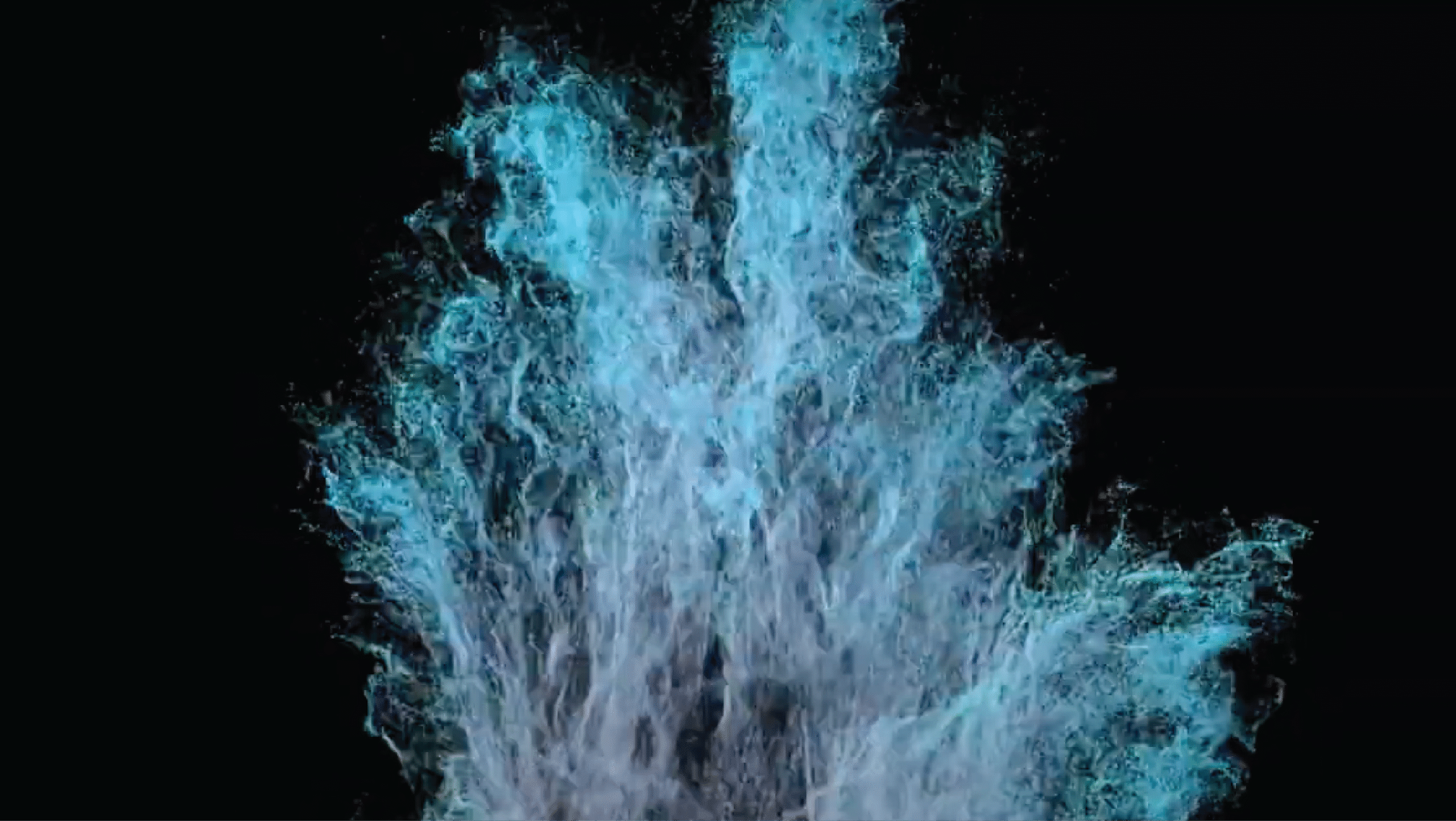

Water that howls. Fire that breathes. Particles that reveal what words cannot express. At La Colemba, high-end simulations don't seek to impress technically: they seek to break hearts. We master water with memory, fire with purpose, fabrics that dance with physics and emotion. Because every drop, every flame, every fiber exists to serve one thing—your story. And when physics becomes narrative, the effect ceases to be technical and becomes truth on screen.
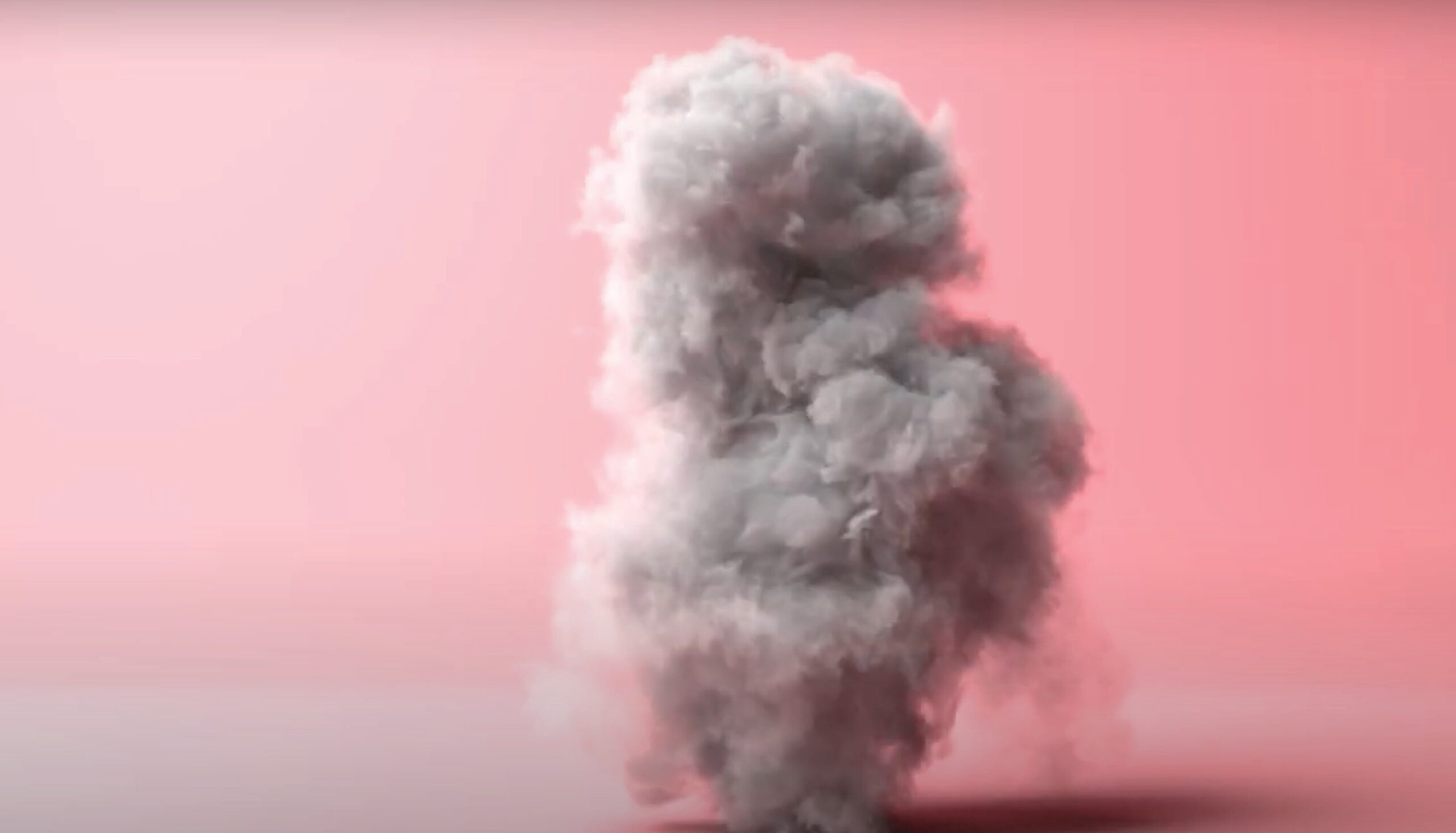
The worlds we build never existed, but they feel more real than reality. Here we build cities from code, forests from algorithms, horizons from nothingness. Complete 3D environments where every rock has texture, every shadow has logic, and every corner breathes history. We don't decorate scenes: we build habitable universes. Because a good environment isn't where the action happens—it's where the action makes sense. That's how we create: with an architect's precision and a storyteller's soul.
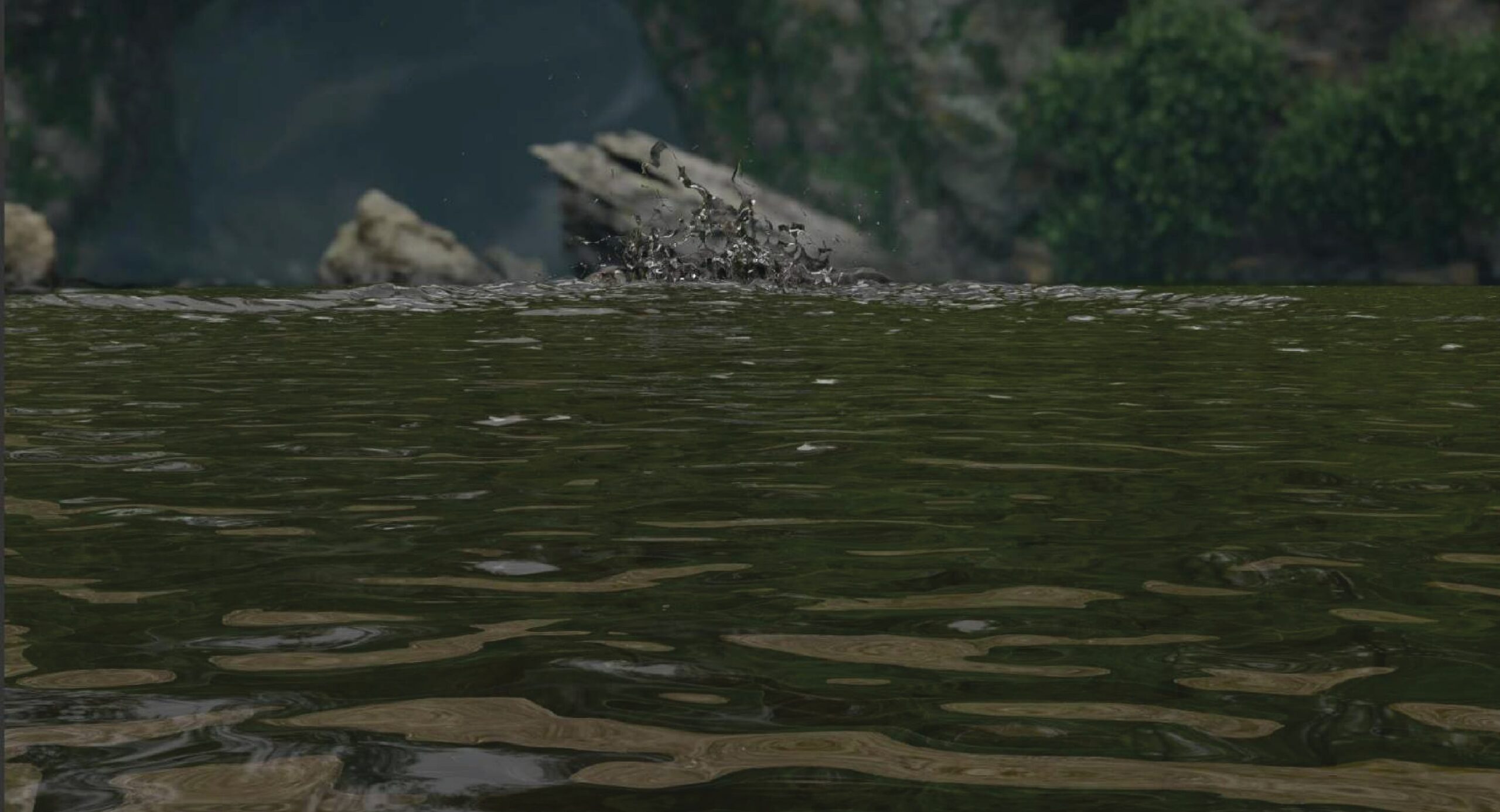
Procedural systems are our way of multiplying magic without losing control. Here, nodes converse, networks think, and the organic emerges from code. We automate the repetitive to free up time for the impossible. Because while the machine executes a thousand perfect variations, we focus on the only decision that matters: does this tell the right story? Procedural does not mean cold. It means efficient, scalable, and, when done right, inexplicably alive.
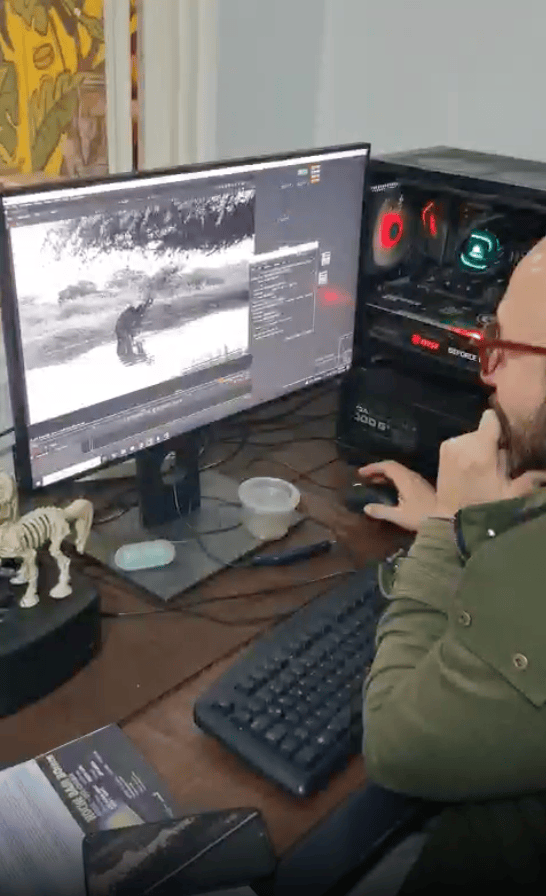
It's the last night before dawn. The screens are burning. And the shot finally begins to breathe as if it had always existed. At this stage, we polish until the digital becomes invisible: every reflection finds its truth, every movement synchronizes its physics, every tone matches the cinematography. We don't want the effect to stand out. We want it to disappear. Because the perfect technical polish is the one that no one notices—except in the emotion that lingers after the fade out.